
Toxic Tides:
The Tragic Consequences of
a Polluted Ocean
By Louise Harmon
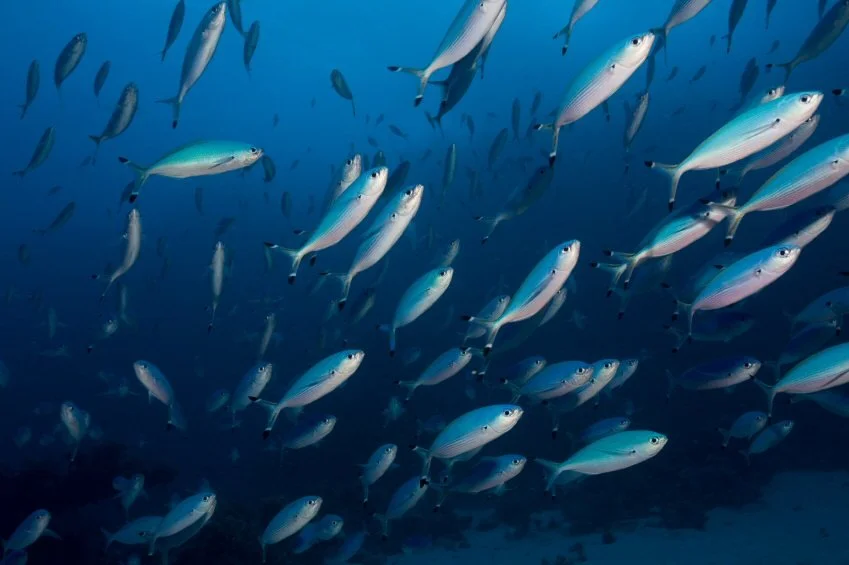
If you check Harvard University’s T. H. Chan School of Public Health website under The Nutrition Source[1], an article entitled “Fish: Friend or Foe?” states that the fears of ingesting contaminants make many unnecessarily shy away from consuming fish. The article goes on to say that the topic of contaminants in fish is often, “fueled more by emotion that by fact.”
Fish consumption is touted by many as offering numerous health benefits. Its source of omega-3 fatty acids, specifically EPA and DHA, are thought to reduce the risk of heart disease, stroke and high blood pressure by lowering triglycerides and reducing inflammation. It is also thought to benefit eye health and reduce cognitive decline.
Although my healthcare provider is pleased that I follow a whole food plant-based vegan diet, she frequently advises that adding fish to my diet twice a week would help me to maintain my healthy heart. This seems to be the mantra of many healthcare professionals. Although I disregard this advice for ethical reasons (I avoid all foods derived from animals and other sentient beings), I question the wisdom of recommending that fish be added to the diet, especially given the rise of pollution in our oceans.
Contaminants in the Oceans
An article entitled “Ocean Pollutions and Marine Debris,” posted on the National Oceanic and Atmospheric Administration (NOAA) website [2], discusses how each year, billions of pounds of trash and pollutants enter the oceans. These waste products include not only plastic detergent and water bottles, and microplastics (plastic debris which degrades into fragments less than five millimeters in length), but also discarded fishing gear, accumulations from oil spills and home fertilizer use, pollutants from abandoned vessels, septic tanks, livestock ranches and timber harvest areas. Excess nitrogen and phosphorus from runoffs can trigger algal bloom, known as “red tides,” which is toxic to both marine life and humans. When these pollutants are ingested by marine animals, they can cause harm and death. Fatalities also occur when marine life become entangled in discarded fishing lines and nets.
Chemicals, such as mercury, polychlorinated biphenyls (PCBs), dichloro-diphenyl-trichloroethane (DDT) and many other substances, accumulate in the skin, fat, internal organs and muscle tissue of fish, some of which do not break down. These “forever chemicals” are absorbed by small fish who are eaten by larger fish, seals, porpoises, dolphins and whales. These toxins accumulate as they move along the food chain, a process known as “biomagnification,” with especially devastating effects on all the top predators in the ocean, particularly on mammal-eating orcas.
Impact of Ocean Pollutants on Whale and Dolphin Populations
Whales and dolphins are particularly vulnerable to ocean pollution due to the accumulation of toxins in their fatty tissues over their long lifespans. Warmer ocean temperatures can also elevate the concentration of these toxins in their bodies. When whales and dolphins metabolize their blubber for energy during periods of food scarcity, pregnancy or lactation, toxins stored in their bodies are released into their bloodstreams. These toxins can lead to fetal death, stillbirths or death of newborns. Some scientists estimate the mortality rate for newborn orcas is as high as 50% during their first six months of life[3].
In 2016, an orca named Lulu was found washed up off the coast of Scotland, entangled in fishing gear, which caused her to slowly drown over several days. A post-mortem examination revealed her tissues contained extremely high levels of PCB contaminants, which was thought to have impaired her ability to free herself from the gear. According to one source, Lulu’s body was so contaminated with toxic chemicals that her body was considered, “toxic waste.” [4]
So, How Safe Is It to Consume Fish?
I find it somewhat ironic that the very references which highly recommend eating fish as part of a healthy diet also include significant warnings about the potential health risks related to the contaminants found in their bodies.
The FDA website’s Advice about Eating Fish[5], has links to specific articles about the health benefits of eating fish. They discuss how fish provide key nutrients which support a child’s brain development, recommending fish intake during pregnancy because moderate scientific evidence shows it can help a baby’s cognitive development. The information goes on to say that strong evidence shows that eating fish as part of a healthy diet may also benefit heart and bone health, and decrease the risk for colon and rectal cancers.
Sounds good until you start reading the part about choosing fish which are lower in mercury contamination. Lower in mercury? Is any amount of mercury safe to ingest, especially for a baby or a child?
The Washington State Department of Health’s guidelines, Contaminants in Fish [6] goes into great detail about how fish contaminants can potentially harm the developing fetus, causing developmental and learning problems in infants and children. The guidelines also discuss how these contaminants can adversely affect the cardiovascular and central nervous systems in adults.
The Oregon Health Authority’s Advisories and Guidelines[7] gives extensive information about contaminants found in Oregon fish, organized by geographic areas. Recommendations for the amount of fish safe to consume, including for “vulnerable populations (‘children under age 6, people who are or may become pregnant and people who are nursing’),” are included. The guidelines advise that:
“Mercury and PCBs accumulate in our bodies over time and are passed on to developing fetuses through the placenta. Children’s brains go through extraordinary development in the womb and during the first six years of life. Mercury and PCBs can interfere with normal brain development and cause lifelong learning disabilities. PCBs can also cause cancer in children and adults.”
Mercury and PCBs are not, and never should be, part of a healthy diet for children or adults. The State of California’s official website, Benefits and Risks of Eating Fish [8], says it all quite simply:
“While eating fish has nutritional benefits, it also has potential risks. High levels of mercury and PCBs can harm the brain and nervous system. Mercury can be especially harmful to fetuses, infants, and children because their bodies are still developing. PCBs can cause cancer and other harmful health effects.”
If eating fish carries such a high risk for potential harm, why is it being recommended as part of a healthy diet at all?
The information provided by these agencies certainly does not support Harvard’s statement that "fears of contaminants in fish are fueled more by emotion than by fact." The information reported by these government agencies all suggest that consuming fish comes with extremely concerning known risks for harm.
Safe Plant-Based Alternatives
The nutrients found in fish, including omega-3 fatty acids, vitamin D, vitamin B12, iodine, selenium, zinc, calcium, and phosphorus, can all be obtained from consuming a balanced plant-based diet with the addition of quality supplements, as needed.
The Physicians Committee for Responsible Medicine has many excellent resources for obtaining a balanced, nutritionally adequate plant-based diet. Check out “Good Nutrition” on the top menu bar of their website (https://www.pcrm.org).
Plant-based sources containing omega-3 fatty acids, the nutrients most often cited for recommending fish consumption, include walnuts, flaxseed, chia seeds, hemp seeds, edamame, seaweed, and algae. [9] These foods contain all the associated benefits of omega-3 fatty acids without the toxins and other health risks associated with fish consumption.
By consuming plant-based alternatives, the need for harvesting fish is eliminated, which is certainly a more compassionate, environmentally responsible and healthier alternative.
———————————————————————————————————————————————-
[1] “Fish: Friend or Foe?”, n.d, Harvard T.H. Chan School of Public Health, The Nutrition Source, https://nutritionsource.hsph.harvard.edu/fish/
[2] “Ocean pollutions and marine debris”, n.d., The National Oceanic and Atmospheric Administration, https://www.noaa.gov/education/resource-collections/ocean-coasts/ocean-pollution
[3] Anaïs Remili, “Baby killer whales face many challenges in their first year”, 29 June 2023, Whale Scientists, https://whalescientists.com/baby-killer-whales-challenges/
[4] “Chemical pollution facts”, n.d., Whale and Dolphin Conservation, https://uk.whales.org/create-healthy-seas/chemical-pollution-facts/
[5] “Advice about Eating Fish”, n.d., US Food and Drug Administration, https://www.fda.gov/food/consumers/advice-about-eating-fish
[6] “Contaminants in Fish”, n.d., Washington State Department of Health, https://doh.wa.gov/community-and-environment/food/fish/contaminants-fish
[7] “Fish Advisories and Consumption Guidelines”, n.d., Oregon Health Authority, https://www.oregon.gov/oha/ph/healthyenvironments/recreation/fishconsumption/pages/fishadvisories.aspx
[8] “Benefits and Risks of Eating Fish”, n.d., State of California Office of Environmental Health Hazard Assessment, https://oehha.ca.gov/fish/benefits-and-risks-eating-fish
[9] “Omega-3 Fatty Acids and Plant-Based Diets”, n.d., Physicians Committee for Responsible Medicine, https://www.pcrm.org/good-nutrition/nutrition-information/omega-3
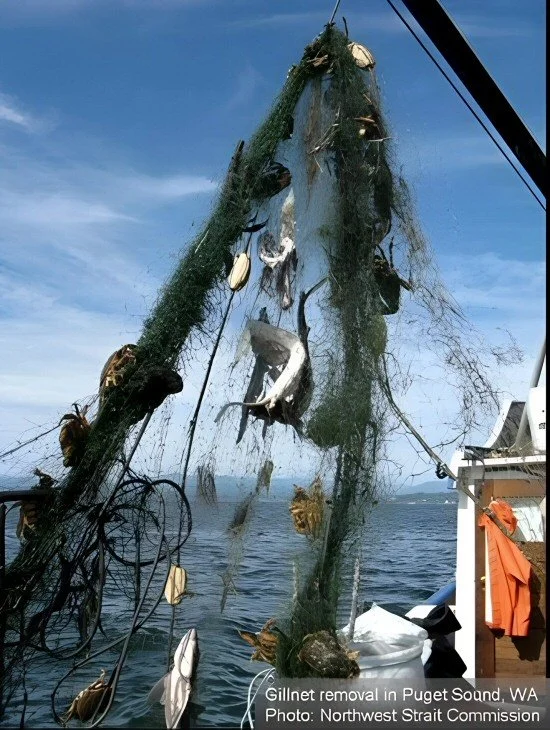
Derelict fishing nets continue killing long after they have been abandoned